 etraveladmin
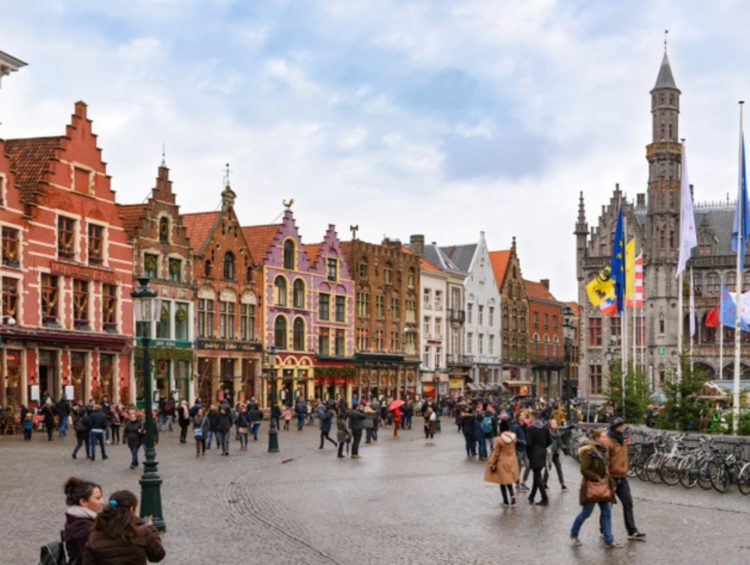
 Imagine strolling down a charming cobblestone path, past winding canals teeming with swans and 13th-century cathedrals. Just add some modern shopping opportunities and the aroma of chocolate to the mix, and you have the enchanting, mediaeval city of Bruges.
Bruges, also known in Dutch as ‘Brugge,’ is one of Europe’s best-preserved fairytale cities. Bruges, located in Belgium’s western Flemish region, will transport you to places you’ve only read about in stories while also allowing you to indulge in modern comforts and cuisine.
Our Lady’s Church (Onze-Lieve-Vrouwekerk)
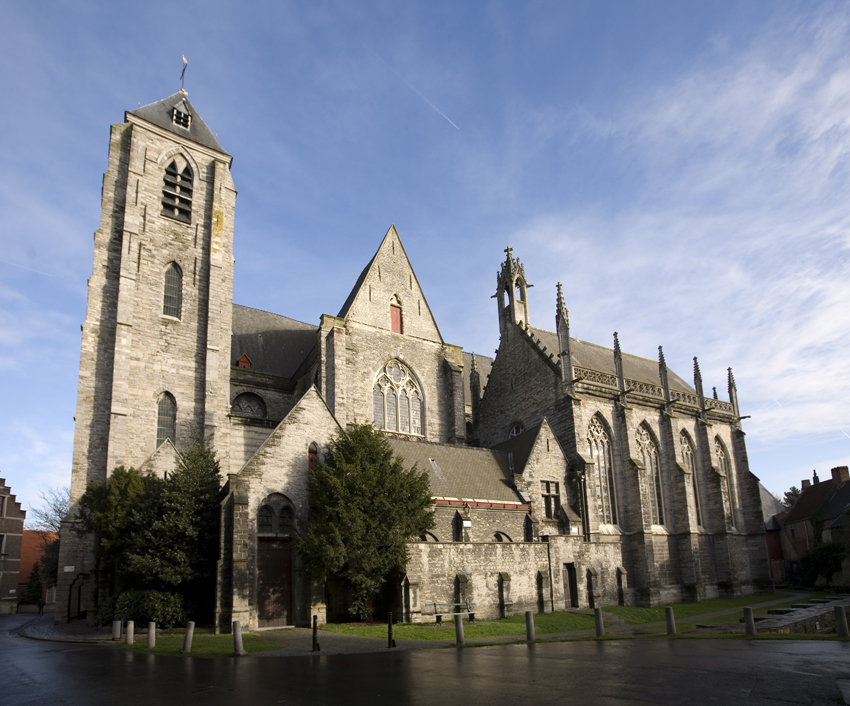
The Church of Our Lady (Onze-Lieve-Vrouwekerk) is a stunning 13th-century structure. The Onze-Lieve-Vrouwekerk is the highest standing structure in Bruges, with a 115.5-meter-high tower. And here’s a fun fact: it’s also the world’s second tallest brick building.
The Church of Our Lady houses a number of notable works by artists, including Michelangelo’s marble Madonna. It was originally built over two centuries ago and has been expanded and renovated over time. It is currently being restored further. Some artworks will be unavailable due to renovations, but the majority of this impressive church should now be open.
Begijnhof Palace
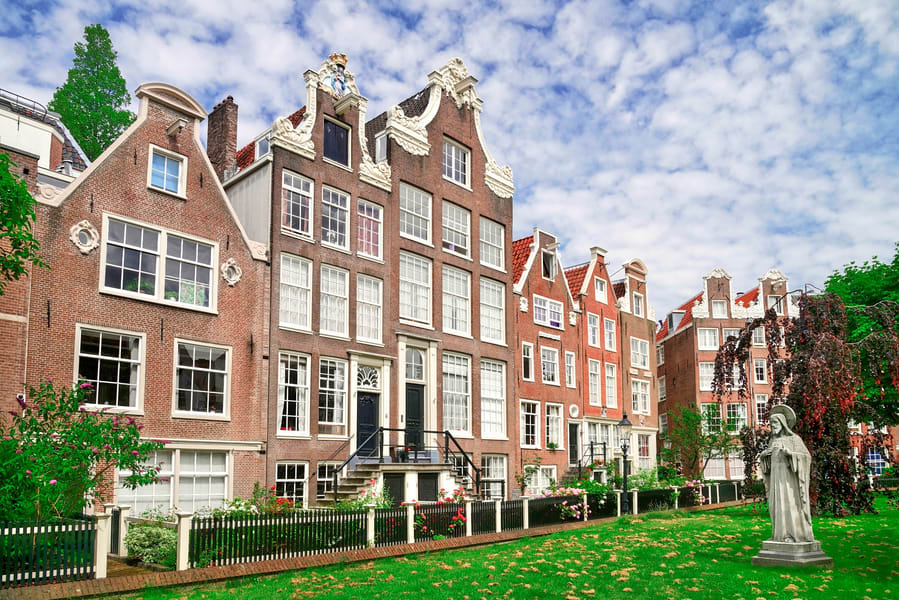
Begijnhofs, or “Beguinages,” have been designated as a UNESCO World Heritage site since 1998. They are unquestionably a unique feature of Europe, particularly Belgium and the Netherlands.
These historic complexes, which date back to the mid-13th century, were originally inhabited by a group of religious women, or Beguines, who lived their lives by the example of the apostles. The Begijnhof in Bruges, in particular, is one of the best preserved. Some of Beguine’s houses are open to visitors, allowing you to take a step back in time and experience what it was like to live here!
The Beguines were a community of women who were widowed or single and wanted to live in a religious manner. The Begijnhof is still in use today as a living quarters for nuns and unmarried women.
As you walk down its tiny cobblestone streets, you will leave the city’s noisy atmosphere behind and enter a calm, serene area.
The Holy Blood Basilica
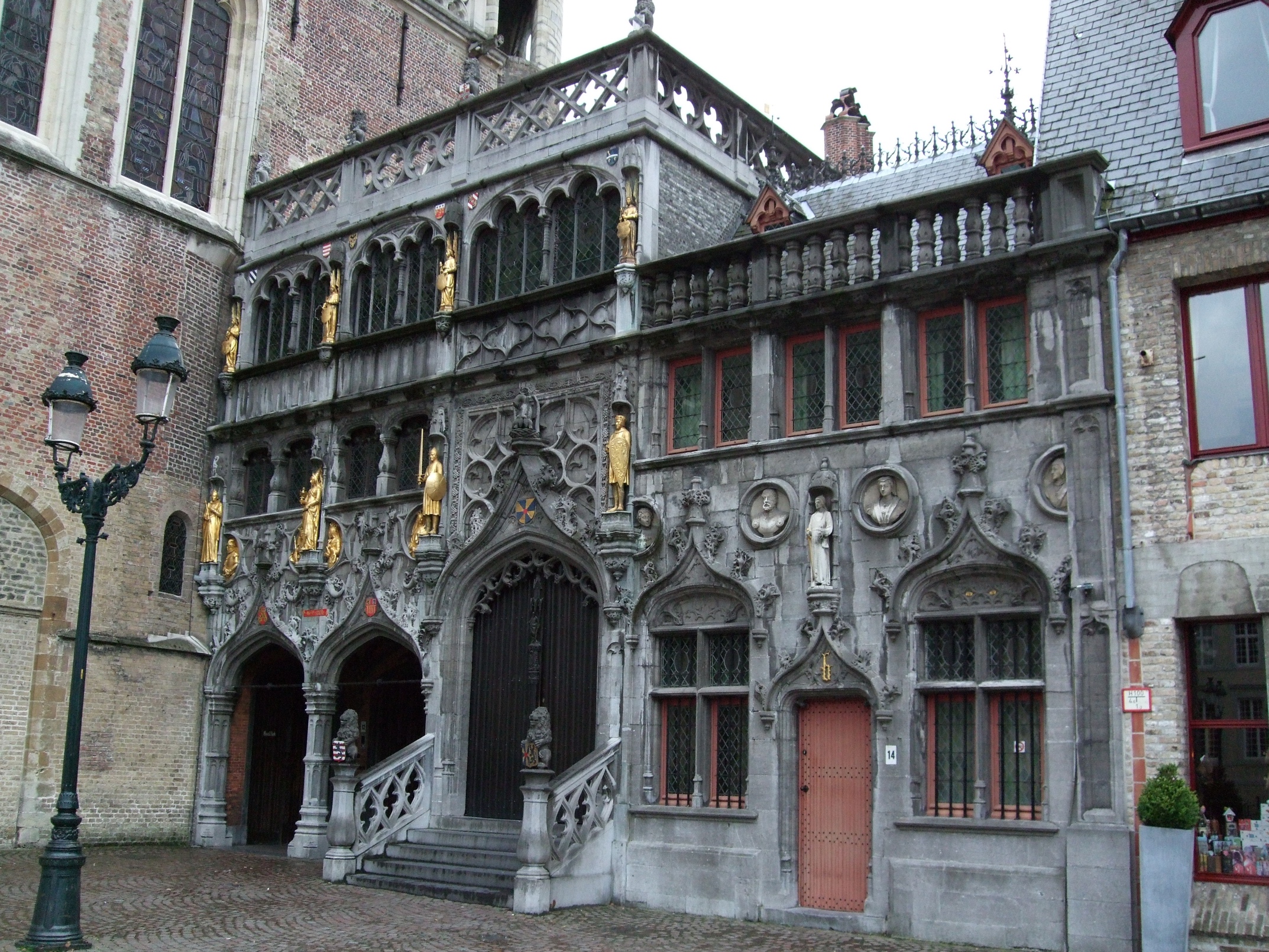
The magnificent Basiliek van het Heilig Bloed (Basilica of the Holy Blood) is one of Bruges’ top attractions and should not be missed. This famous double church, named after Our Lady and Saint Basil, is said to contain a vial containing drops of blood from Christ himself.
You will notice two distinct sections on your visit because it is a double church. An upper church with neo-Gothic architecture that houses the relic of the Holy Blood, and a lower chapel with Romanesque features. You won’t want to pass up the opportunity to see this one-of-a-kind basilica in person!
The Basilica of the Holy Blood, also known as the Basiliek van het Heilig Bloed, is located just west of the city hall in the city centre. The “Stadhuis” in Bruges is another name for the City Hall.
Groeningemuseum
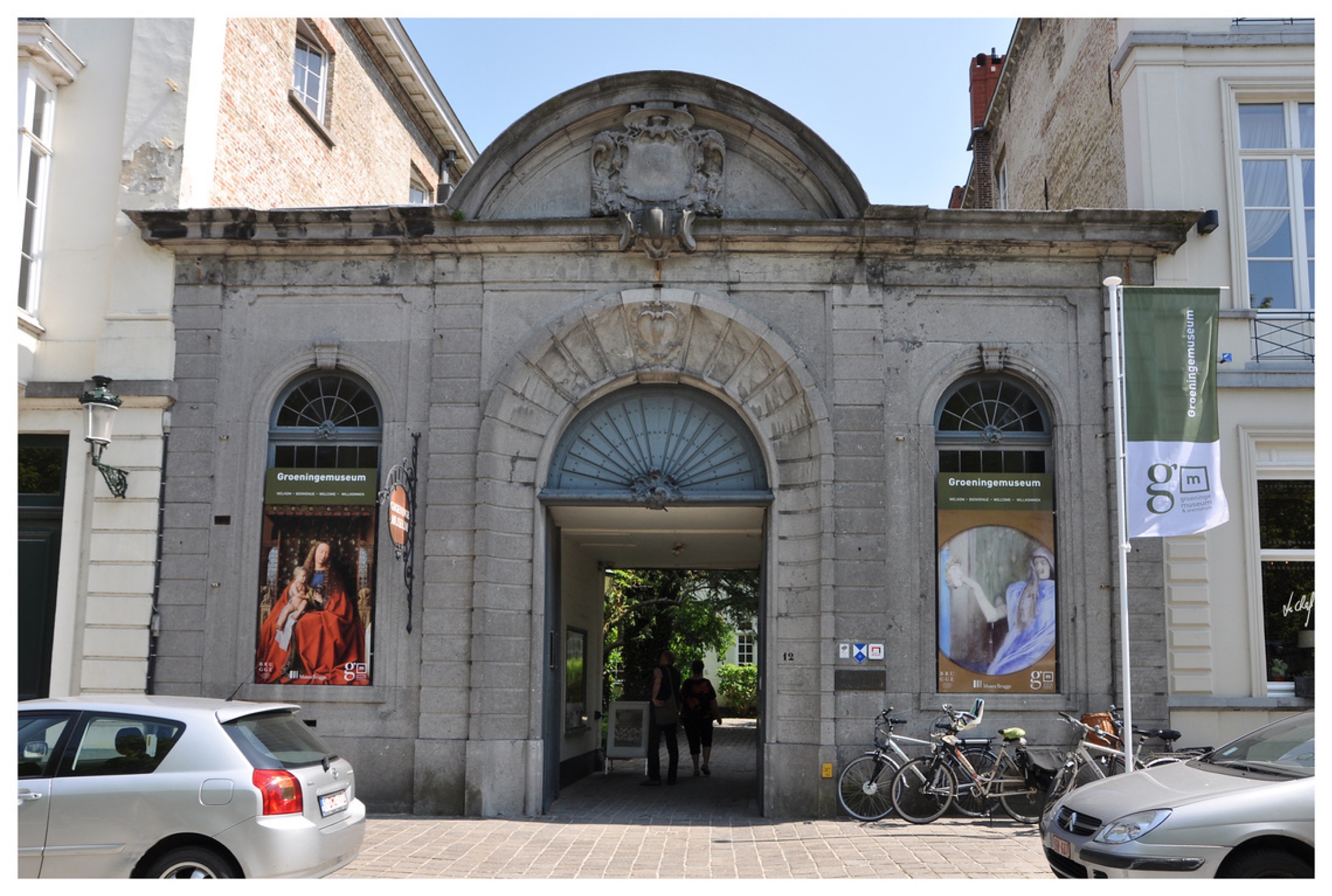
The famous Groeningemuseum is the best place to learn about Belgian art and history! Built on the former site of the mediaeval town, Eekhout Abbey, the museum provides a comprehensive visual overview of Flemish and Belgian artists, as well as artwork from the 14th to the 16th centuries.
This includes 18th and 19th century neoclassical pieces. The museum also features many examples of post-war modern art and Flemish expressionism, as well as a world-renowned collection of Flemish primitive paintings.
Of course, many of these works were first created in Bruges! It’s also worth noting that the Groeningemuseum hosts regular showcases of beautiful exhibitions.
Belfort Belfry Tower
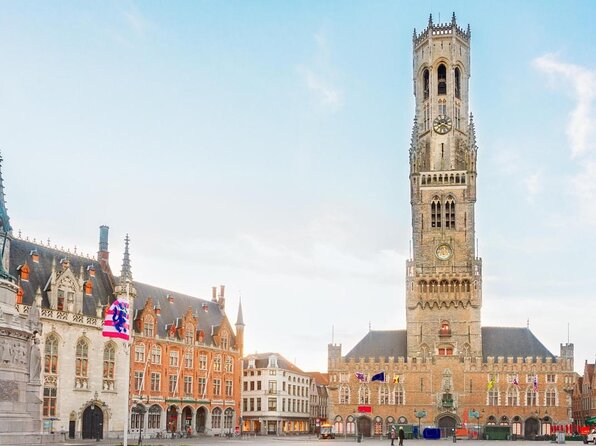
The Belfry, a World Heritage site, is a soaring masterpiece in the heart of Bruges’ mediaeval town. It stands 83 metres tall and provides spectacular views of the city. Because the tower dates back to the 13th century, the climb up may feel a little claustrophobic, but it will be well worth your time. On any given day, the bell tower’s 47-bell carillon is still tolled manually.
The Belfort Tower is Bruges’ most important and symbolic tower, standing as a reminder of one of the oldest examples of mediaeval architecture.
Castle Loppem
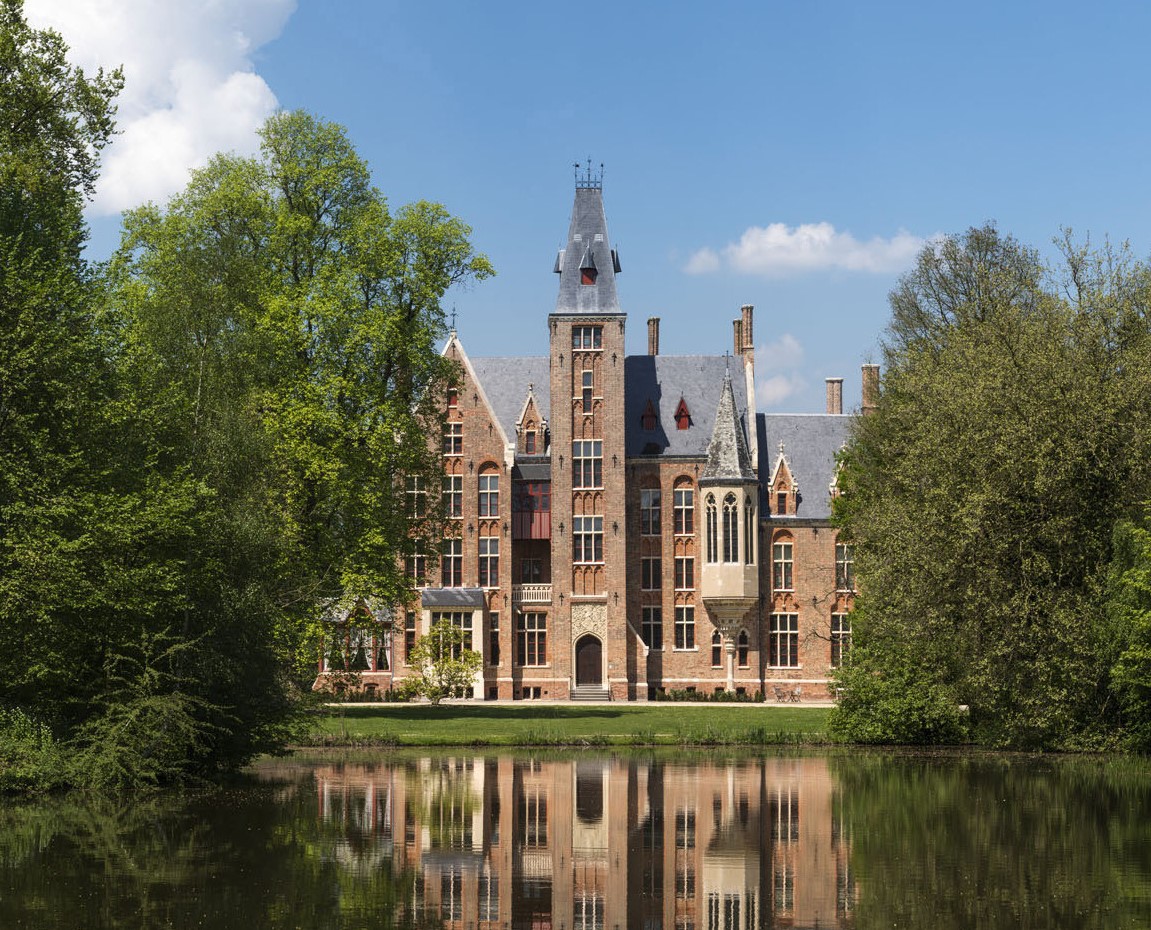
The 19th-century Loppem Castle, located just 10 kilometres south of the city centre, adds to Bruges’ fairytale-like atmosphere.
The Loppem Castle, with its beautiful neo-gothic architecture, combines its original interior and architectural state with a winding garden maze and a vast collection of art to transport you back in time.
Following World War I, the castle served as a temporary residence for King Albert I, even hosting Queen Elizabeth in 1918.
Walking through the corridors of Loppem castle brings to life the footsteps of past artists and kings.
Park Hof Arents
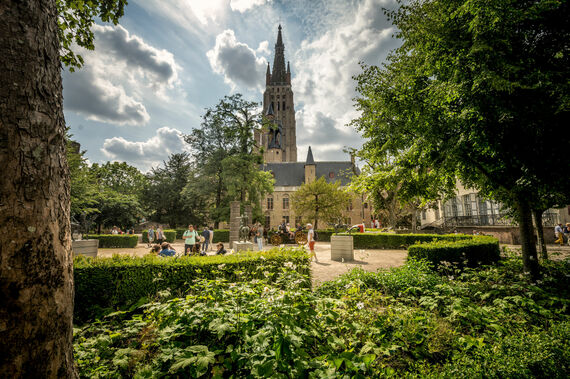
The beautiful Hof Arents is located directly behind the Arentshuis museum.
This charming green park along the canals features a small idyllic bridge, outside artwork, and numerous hidden benches among tall trees.
While the 18th-century Arentshuis museum is fascinating, you’ll be hard pressed to find a more tranquil setting than the Hof Arents park.