 etraveladmin
 Let’s discuss some of the well-known attractions in Jodhpur to help you plan your vacation.
Fort Mehrangarh
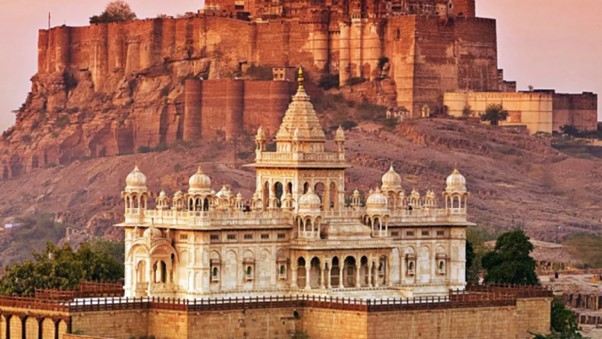
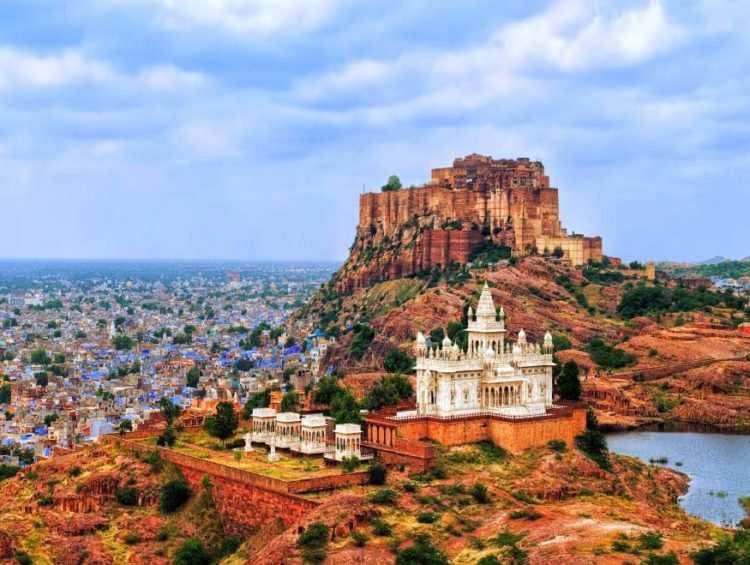
Located in the center of the town, the Mehrangarh Fort is not just a highlight Rajasthana but entire India. It is one of the largest forts in the country spread, perched on top of a 400 feet elevated hill and guarded by huge walls. It is the Mehrangarh Fort that you will see as the cover picture of most travel guidebooks and blogs in Jodhpur.
The fort encloses a museum now, which exhibits various belongings of the royals.
The last of the magnificent palaces constructed in the city, Umaid Bhawan Palace was named after the Maharaja of Jodhpur at the time, Raja Umaid Singh. It was constructed in 1944. It is also known as the Chittar Palace because of its position atop the Chittar Hill.he palace was built by Rao Jodha in 1459.
Palace Umaid Bhawan
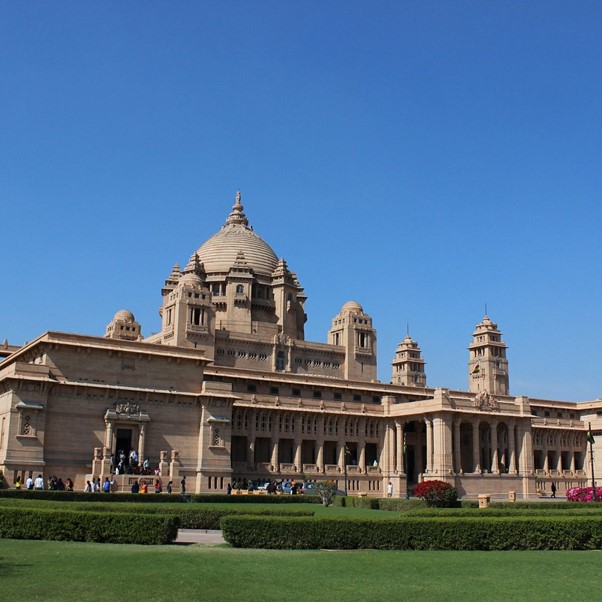
Umaid Bhawan Palace, which has often been ranked as the best hotel in the world, is a must-see attraction in Jodhpur. Since it has a rich history, day visitors frequently consider it to be one of the best attractions.
The last of the magnificent palaces constructed in the city, Umaid Bhawan Palace were named after the Maharaja of Jodhpur at the time, Raja Umaid Singh. It was constructed in 1944. It is also known as the Chittar Palace because of its position atop the Chittar Hill.
Jaswant Thada
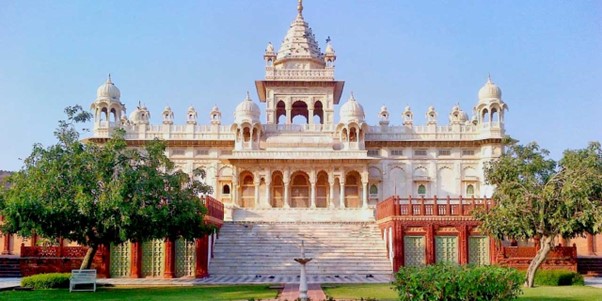
A white marble royal cenotaph called Jaswant Tada was constructed. Next to it, there is a tiny pond and a pretty garden (popular as a lovers point). There is no need to take a ride if you are hiking because this construction is only a short, downhill walk from the main fort. Considering that Jaswant Thada is one of the most well-known attractions in Jodhpur, it should be high on the list.
Garden of Mandore
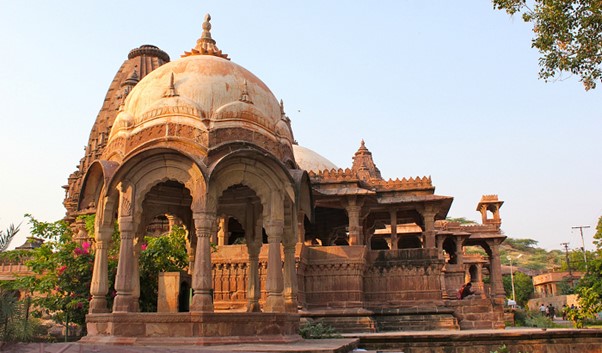
Mandore Gardens, which are roughly 10 kilometers from Mehrangarh or the city center, are another well-liked attraction. In contrast to other cenotaphs, the ones in the garden are constructed like traditional Hindu temples. This is one of the best places to visit if you enjoy both architecture and history. A crumbling fort and castle can also be found in the grounds.
“Ghanta Ghar”
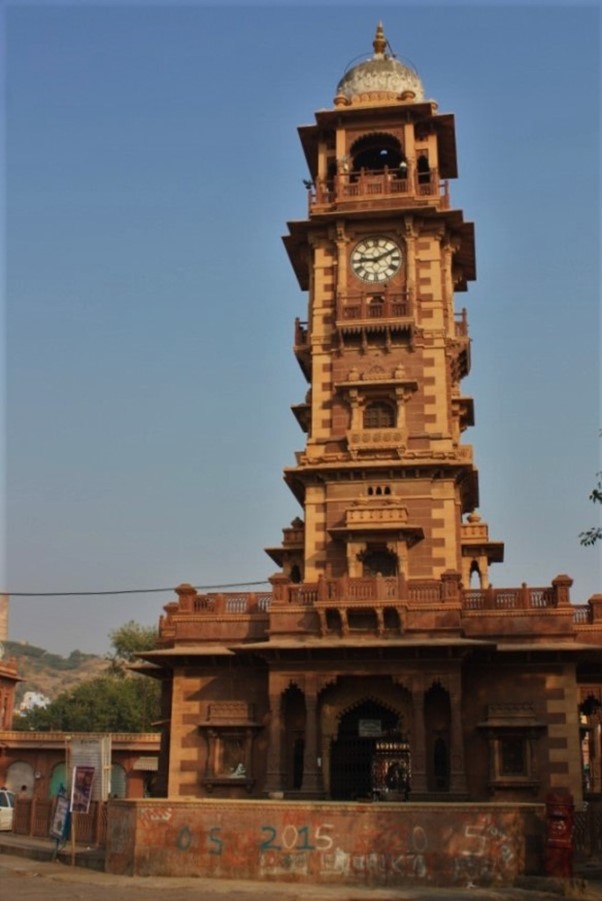
The Ghanta Ghar, the city’s tallest clock tower, provides a bird’s-eye perspective of the city from its summit. It is definitely worth visiting and taking in the vista because it is surrounded by the largest and busiest bazaar.
Rao Jodha Desert Rock Park
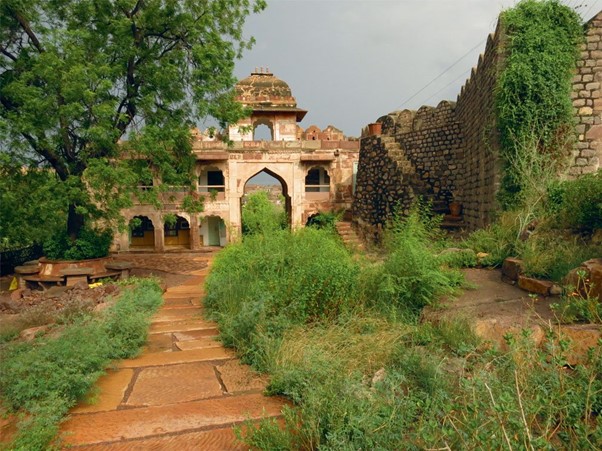
Rao Jodha Desert Rock Park is located at the base of Mehrangarh Fort in Jodhpur, Rajasthan, 1 km from Jodhpur Fort and 5 km from Jodhpur Junction.
Around the fort, the park covers 200 acres or 70 hectares of rocky terrain. It was built in 2006 to restore the rocky wasteland’s natural ecology, and it was made public in 2011. The flora in this park in the sandy desert are adapted to the dry environment because they love rocks.
This area around Mehrangarh Fort was previously a barren patch of rocks that had been taken over by mesquite or baavlia, an exotic plant from Mexico. Pradip Krishen, a filmmaker and environmentalist, was given the enormous responsibility of transforming this baavlia-dominated wasteland by Jodhpur’s reigning maharaja Gaj Singh II in 2006.
There are remarkable volcanic rock and sandstone formations in and around the park. The park has a Visitors Center with an Interpretation Gallery, a nursery for native plants, a little store, and a café. Visitors can choose from four routes that range in length from 880 metres to 1115 metres each (the yellow, green, red, and blue trails). Trained guides and naturalists are also available.
Lake Kalyana
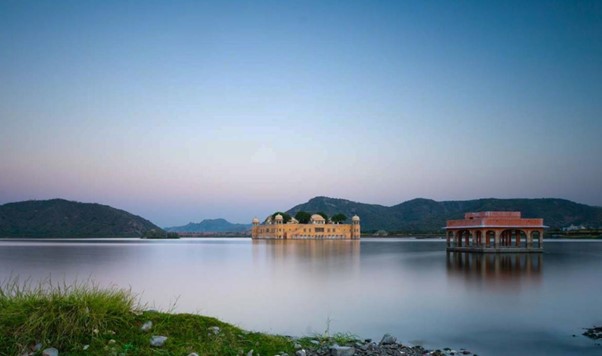
All bird watchers will find Kalyana Lake to be the perfect location. It was created in 1872 and is an artificial lake. The best place to see a stunning sunset is at Kaylana Lake, which is spread out across an area of 8 km. It’s the ideal location for spending a leisurely day or having fun with friends and family.
The Sheesh Mahal
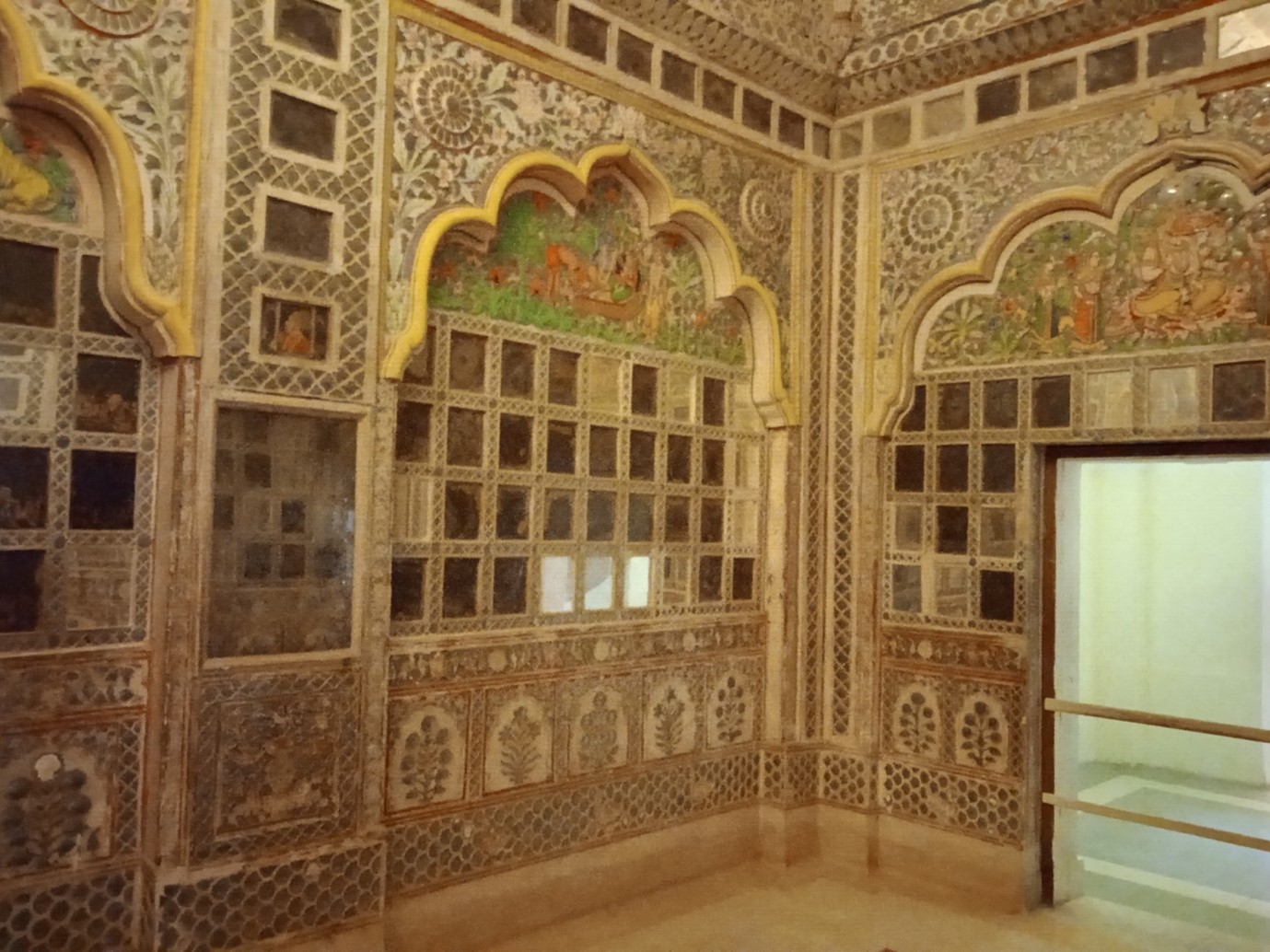
Also known as The Hall Of Mirrors, the elaborate Mehrangarh castle on a mountaintop dates back to the 15th century.
The Mehrangarh Fort’s Sheesh Mahal is a classic example of a Rajput Sheesh Mahal. It features lovely mirror work. The mirror work of plaster religious statues that have been vividly painted is overlaid over it.
In Jodhpur, there were a few of the most well-liked tourist destinations. Other sights and activities include:
- Flying Fox– for adventure seekers
- Marwar Festival – for folk art lovers
- Nagaur Fair – for history and art lovers
- Sardar Market – for souvenir shopping
- Phool Mahal – for architecture lovers
- Sardar Government Museum – for more history
- Guda Bishnoi Village – heritage village experience
- Sardar Samand Lake palace – more of royal heritage
- Ranisar Padamsar – romantic lake experience
- Phalodi Jodhpur – for more of architecture
- Umaid Heritage art School – heritage art
Optimal Period to Visit Jodhpur
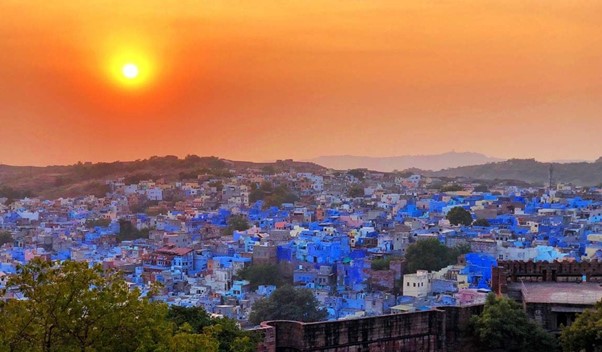
Given that Rajasthan is a desert state with tropical climate (hot and humid). The hottest travel months are March through June and September through November because they are simply too hot to do anything throughout.
Therefore, the winter months of December, January, and February continue to be the finest times to visit Jodhpur. This is the ideal time to go outside and explore when the highest temperature is still around 25 degrees Celsius. But peak season always follows ideal weather. If you’re one of those people who likes to travel on a tight budget and is always seeking for inexpensive places to stay in India, you might want to think about going during the monsoon season.