 etraveladmin
 Traveling to Mongolia entails confronting a land of extremes. Both in terms of landscape, from vast desert lands and towering dunes to lush green mountainous national parks, and in terms of infrastructure, where the country’s areas of extreme isolation leave you as frustrated as awestruck.
Mongolia is a canvas of rugged beauty capped by a sky so blue that pollution isn’t even a word used here. Life here is at its purest and most beautiful, passing only wild horses, herds of cattle, an isolated ger in the distance, and the occasional truck also on its way to the city.
Why Visit Mongolia?
Mongolia travel changes you and makes you appreciate the beautiful patches of the earth’s surface that have not been ruined by extreme modernisation, pollution, and overpopulation.
Adventure Off the Beaten Path
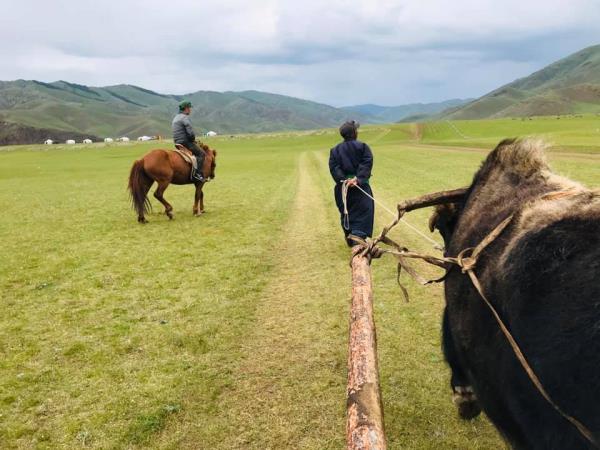
Mongolia is ideal for those who want to get off the beaten path, avoid schedules, and live each day as it comes. But it also has its drawbacks, such as requiring a lot of patience and a significant amount of travel time.
To begin with, there are few roads. Roads are either dirt tracks or pre-made grooves in the ground that point the way, and paved highways are few and far between.
Second, weather patterns in Mongolia are unpredictable. That means unexpected downpours and the possibility of becoming stranded at some point. There were numerous occasions when we had to dig out and push the truck or find locals to come to our aid – tractors are a lifeline here.
It’s a vast country where you could get lost for weeks on end, and once you accept the setbacks, you begin to see them as part of the grand adventure – travel at its most raw. Back to basics, getting dirty, and struggling with the lack of modern amenities we all too often take for granted are all part of the experience of travelling in Mongolia.
When is the best time of year to visit Mongolia?
The summer season, which lasts from May to September, is said to be the best time to visit Mongolia. The hottest months are July and August, with temperatures in the Gobi Desert reaching 40°C. Rainfall is greatest between June and September, balancing the heat and keeping the forest and valley lands, in particular, lush and fertile. When I visited Mongolia in July, there was a lot of rain and high temperatures.
Ulaanbaatar
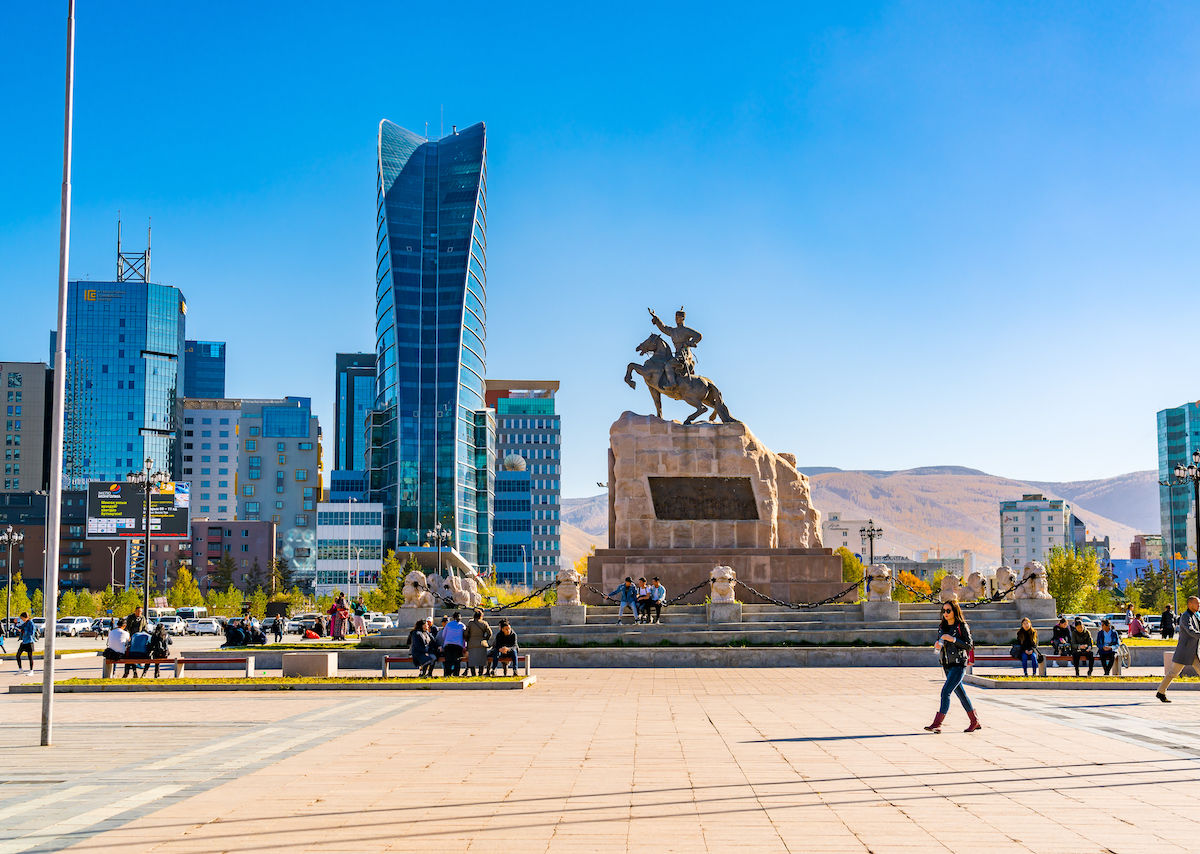
There’s plenty to see and do in this city, including a stroll through the modern Sukhbaatar (Parliament) Square, the Gandan Monastery, the National History Museum, and the Black Market shopping paradise. In the evening, check out the Cultural Show’s singing, dancing, and contortion talent before hitting a few bars and pubs. There are so many that you won’t know where to begin.
From Ulaanbaatar to Gobi Desert
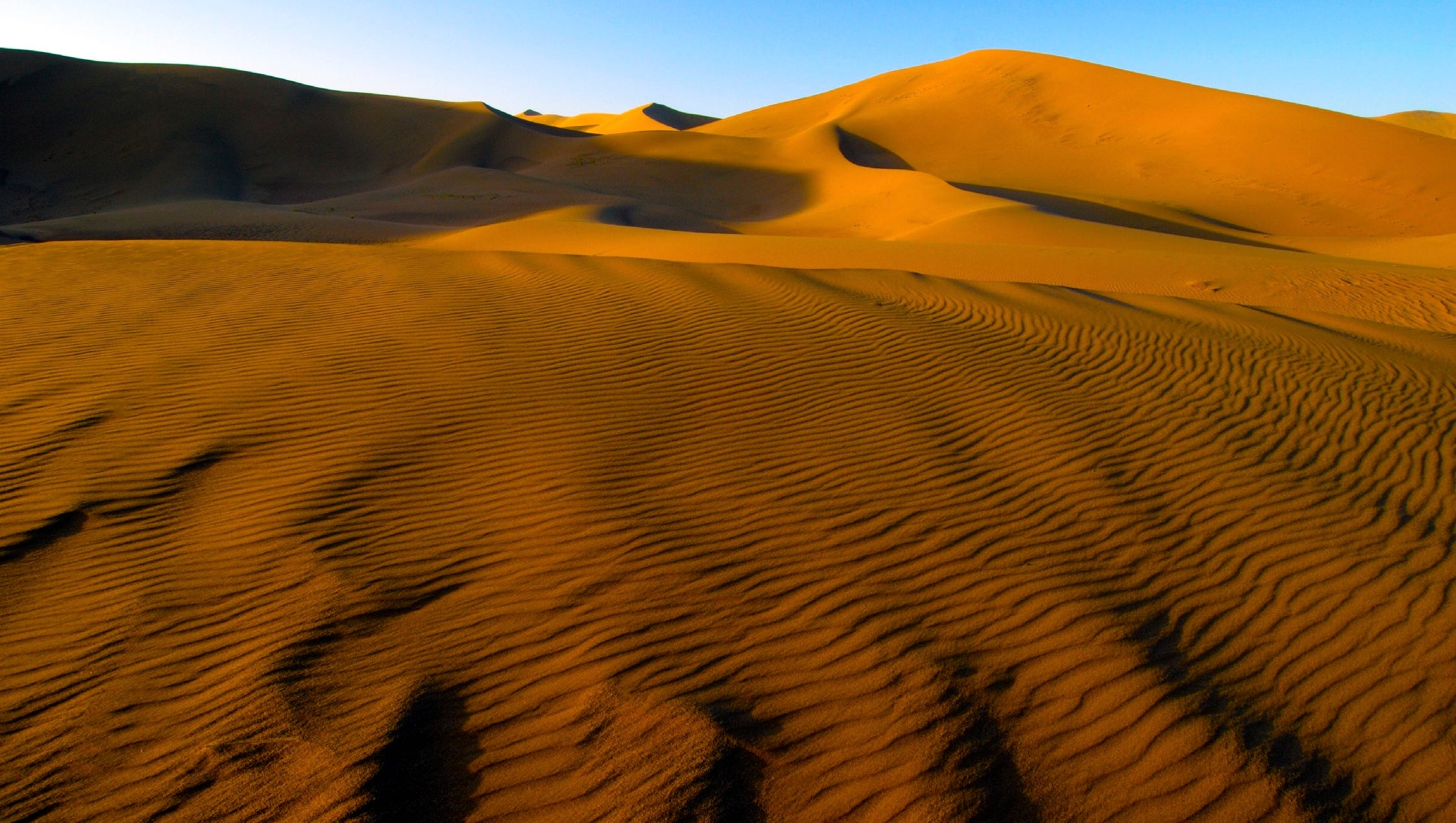
We drove from Ulaanbaatar to the Baga Gazryn Chuluu rock formations in the Gobi desert in a truck. We were delayed leaving the city due to heavy traffic and poor road conditions, so we decided to set up camp for the evening. Expect delays in Mongolia, but enjoy being the only people in the area. You have complete control over the space.
Baga Gazryn Chuluu Rock Formations
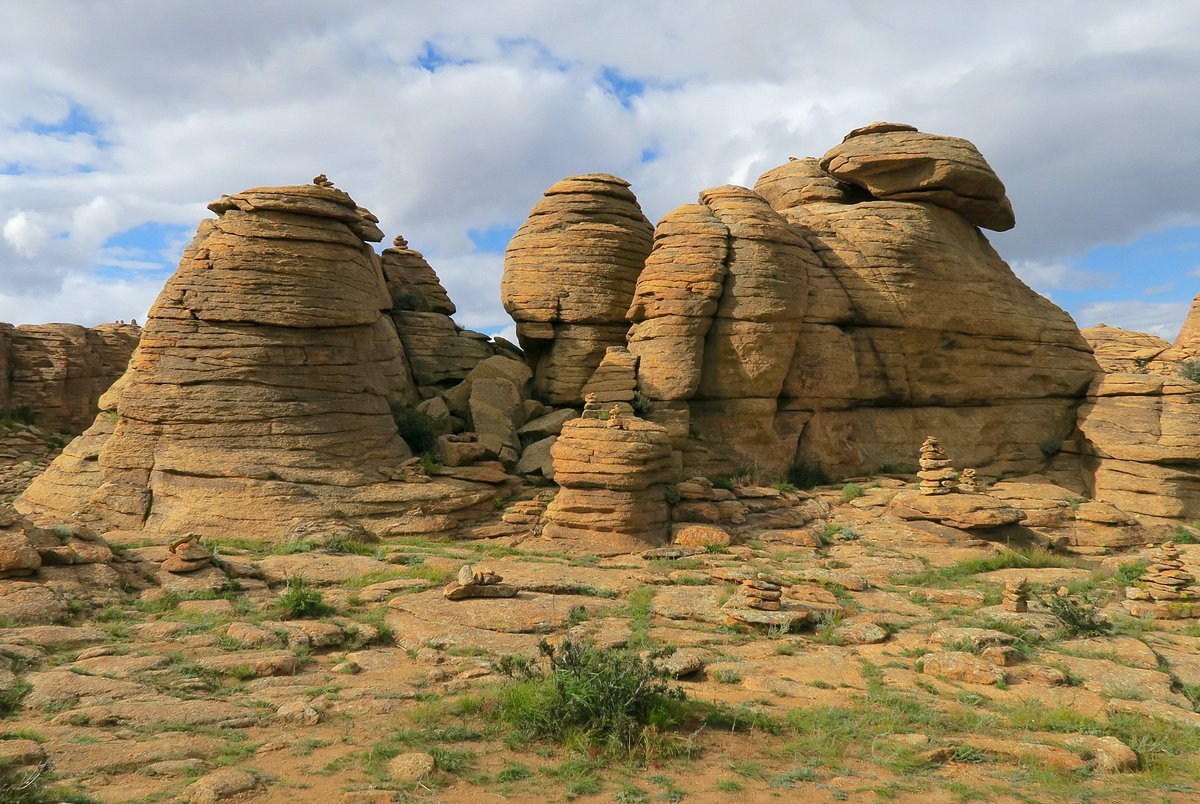
When we passed through Mandal Govi, we saw the famous Nadaam Festival and the Baga Gazryn Chuluu Rock Formations. It was jam-packed with wrestling, horse racing, archery, and fairground fun. Nadaam means ‘games,’ and the buzz was all around us as the only Westerners there. It was great to be a part of a traditional Mongolian community celebration, even if the afternoon was marred by bogging, which resulted in the truck not being released from the soft mud until after midnight.
The Ice Valley of Mongolia
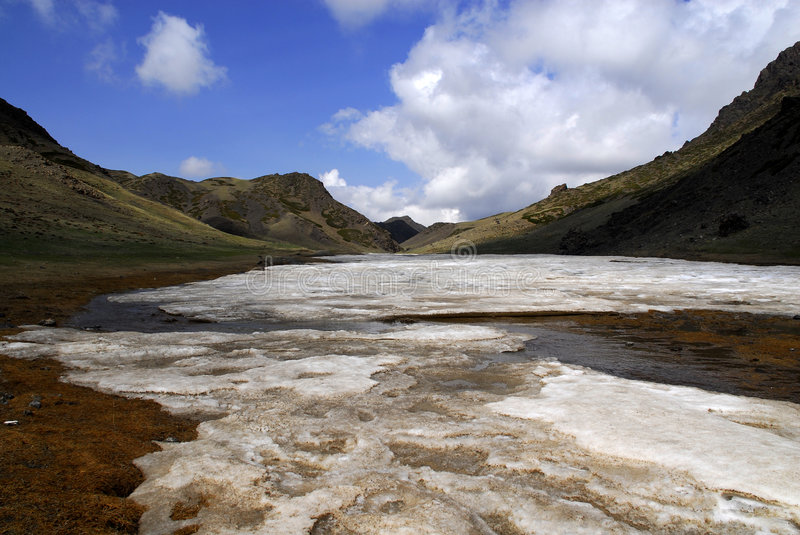
A stunning canyon in the Gobi, an ice valley that is home to a massive glacier all year.
Flaming Cliffs of Bayanzag
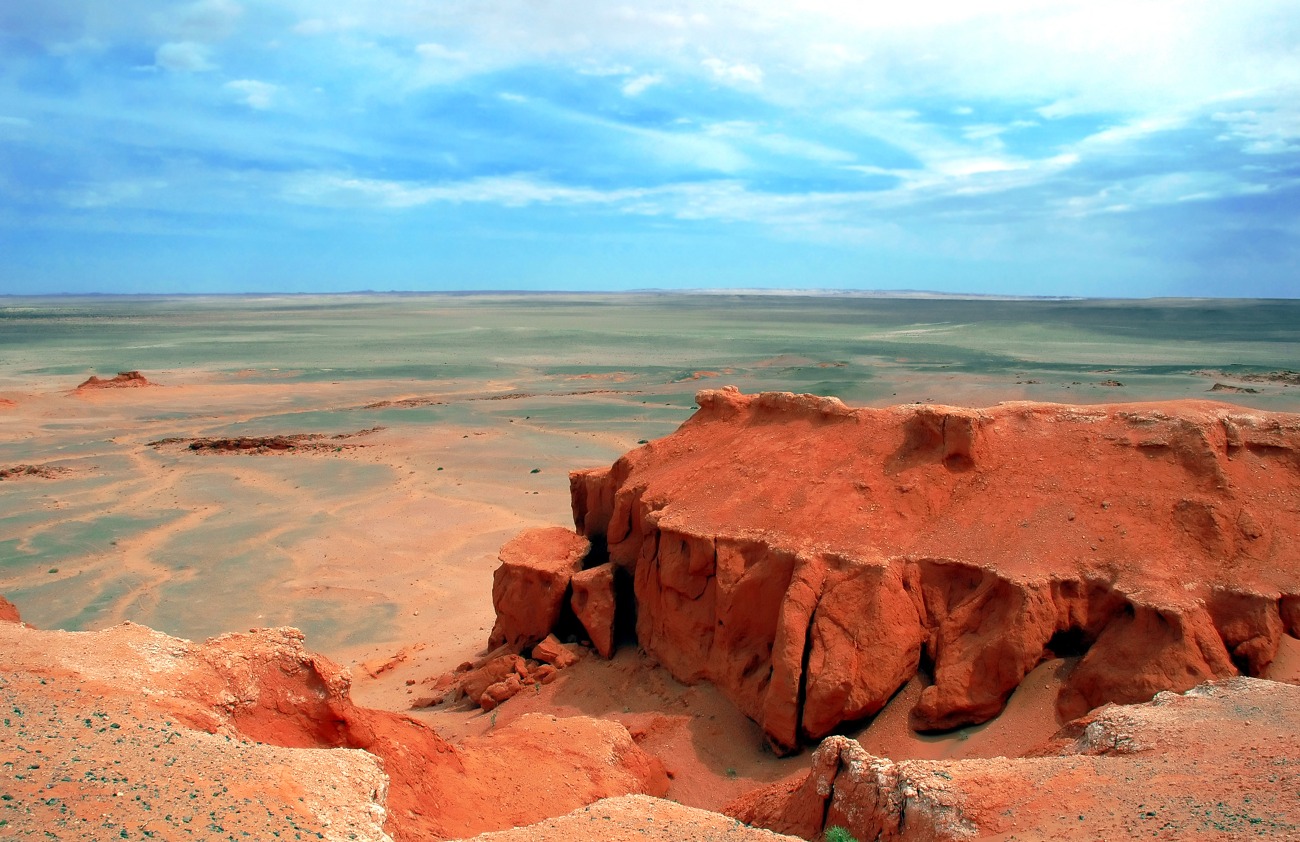
Bumpy mountain roads led us to the breathtaking Bayanzag Flaming Cliffs, which are a smaller version of the Grand Canyon in Mongolia. It is a significant site that has yielded many dinosaur fossils and eggs, as well as a beautiful setting for bush camping.
Driving to Arvaikhee from Ongii Monastery
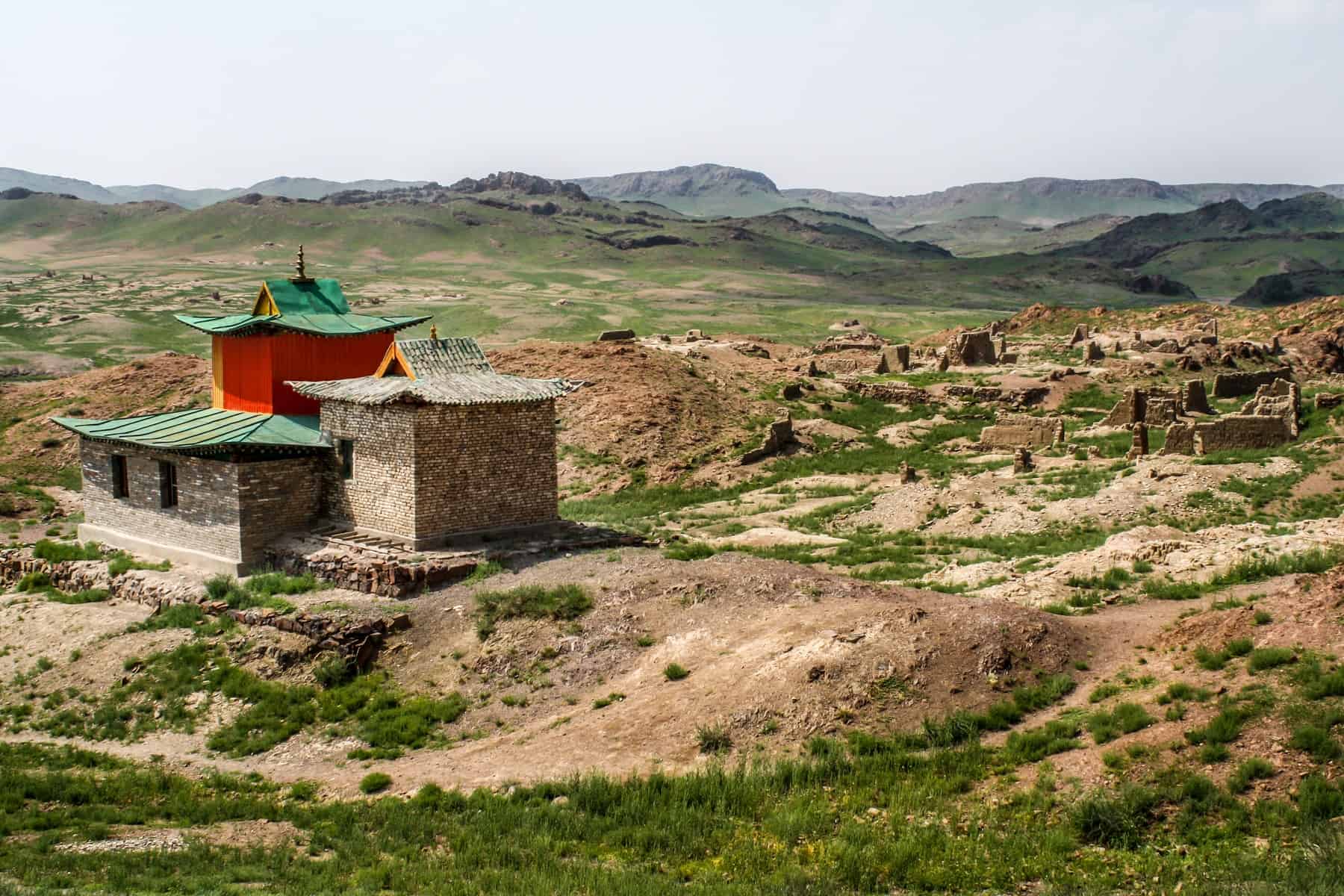
Almost all monasteries were destroyed when communists invaded Mongolia in the 1930s (known as the Purges). We visited the ruins of Ongii Monastery before driving to Arvaikheer, where heavy rain forced us to stay in a hotel for the night.
Orkhon Valley Hiking
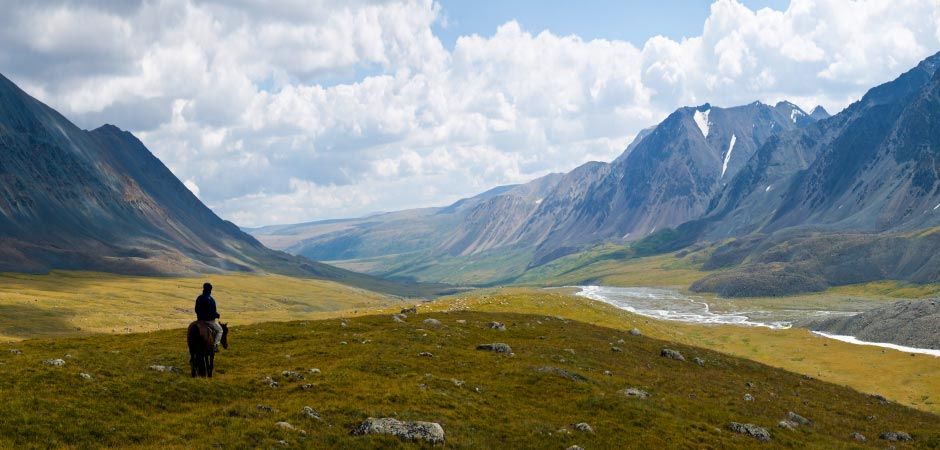
Nothing beats a pleasant hike through the beautiful forest to the Tuvkhon Monastery and surrounding area. It’s pure bliss.