 etraveladmin
 Every location on our lovely planet is breathtaking, but some, like Kyoto, are truly magical. Kyoto has served as a memorial to Japan’s imperial era for more than a thousand years and is the centre of traditional Japanese culture.
Naturally, there is a huge list of things to do and see in Kyoto. Kyoto is more like a location from another world, with its vermillion shrines and golden temples, beautiful tea rituals, spiritual quests, swaying bamboo forests, and enjoying mind-calming strolls through Zen rock gardens.
Top 5 Highlights of Kyoto’s Main Attractions
Temple Kiyomizu-dera
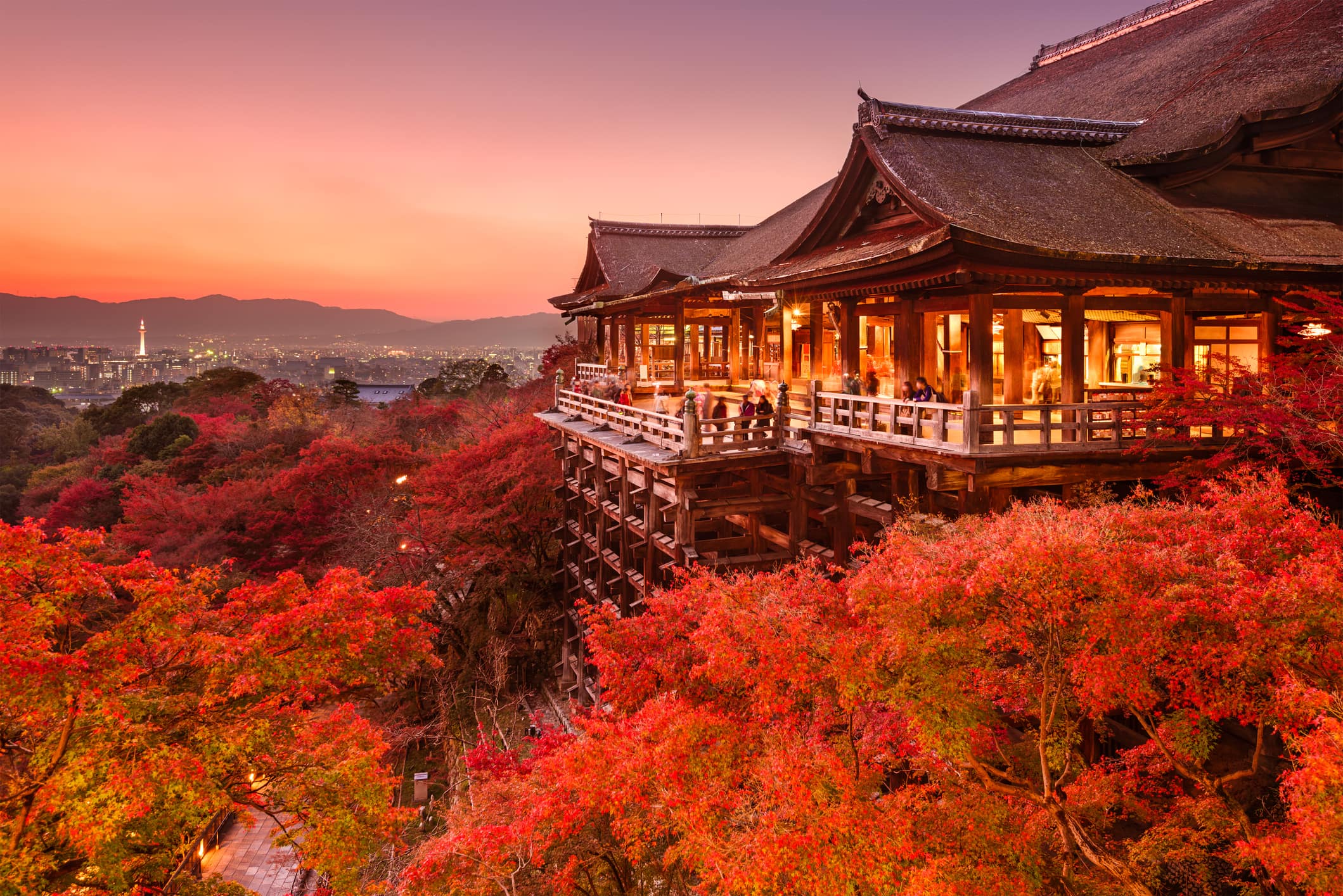
There is no way you can miss the Kiyomizu-dera temple. It is one of Kyoto’s most significant temples as well as one of our favourite spots. Since the Kiyomizu-dera Temple is situated on a hill, the view is breathtaking from the top.
There is much more to explore at the Kiyomizu-dera temple than simply the main structure because, like most temples in Japan, it is made up of several buildings.
Inari-Taisha Shrine in Fushimi
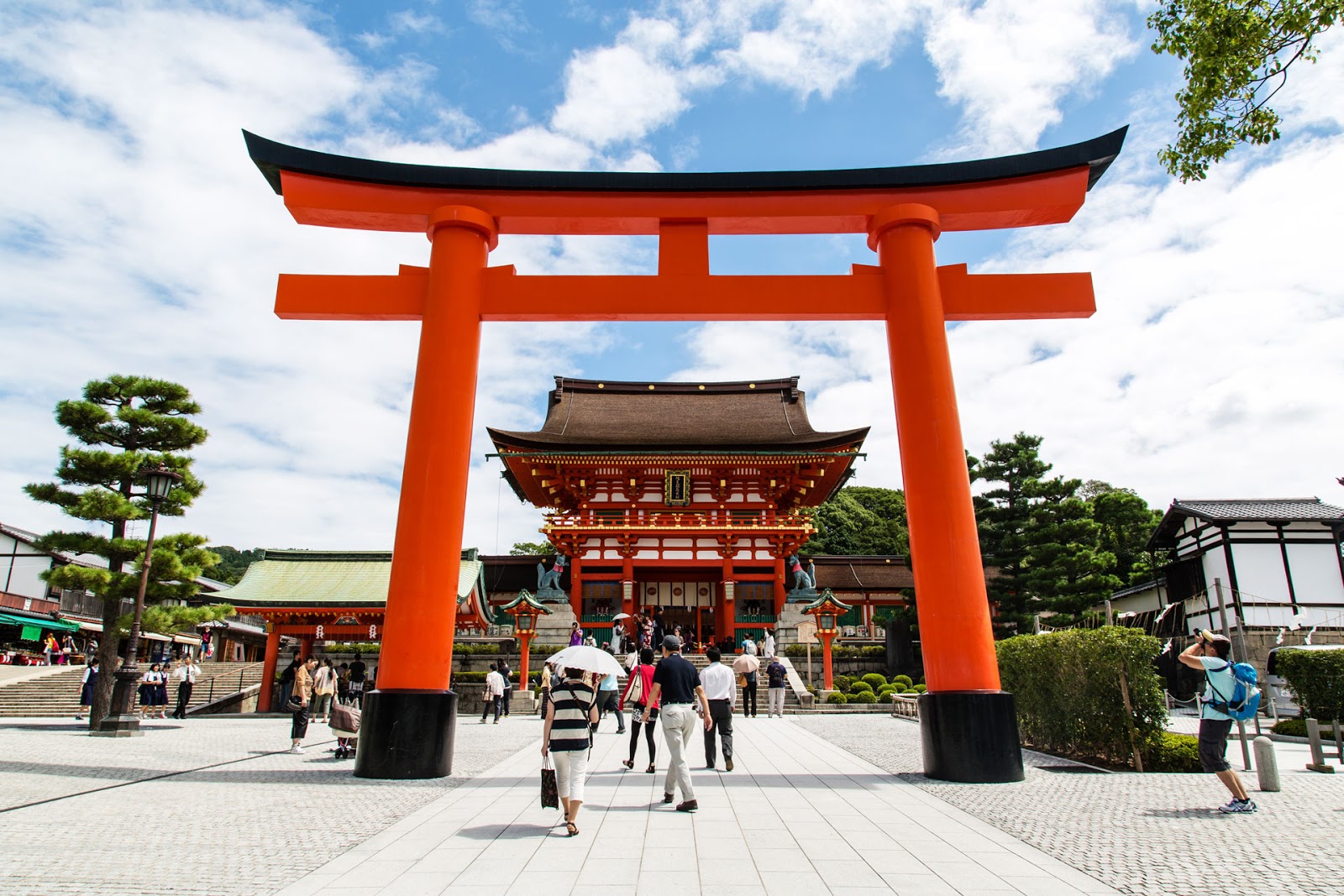
The Fushimi Inari Taisha is arguably Kyoto’s most well-known Shinto shrine. Few individuals would go out of Kyoto without stopping by this shrine. The Torii, or Shinto shrine entrance gates, are more prominent here than the main chamber of the shrine itself. All the way up the mountain is a walkway that is covered in tens of thousands of crimson torii.
All the way up the mountain is a walkway that is covered in tens of thousands of crimson torii.
Simply mind-boggling is the flow of people, especially at the base of the mountain. You probably feel annoyed and just want to go back the way you came. But persevere—it becomes quieter as you ascend!
The Golden Pavilion is Kinkaku-ji.
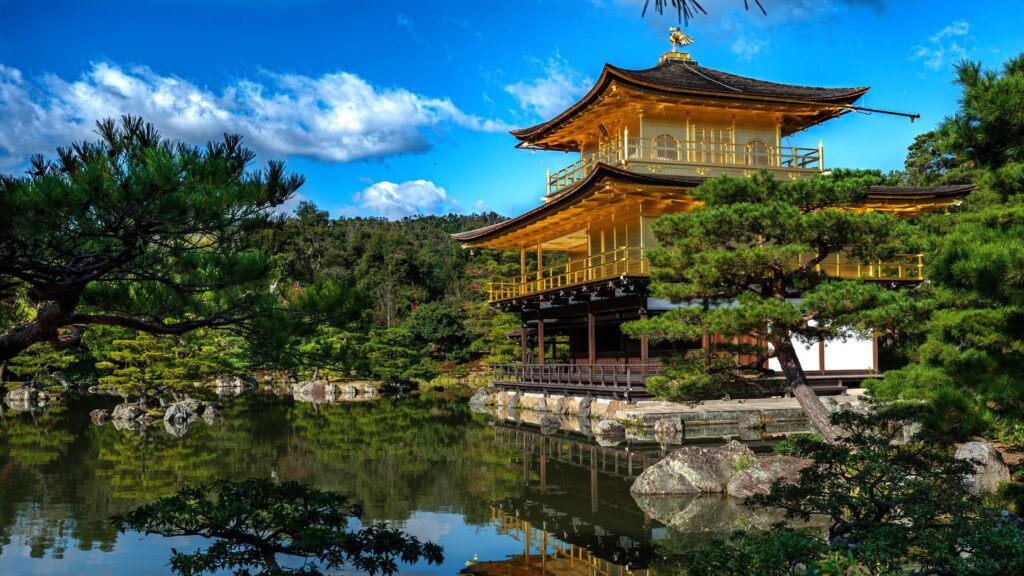
One of Kyoto’s most well-known locations for photos is likely the Kinkaku-ji. This temple is also known as the Golden Pavilion because its top floors are covered in gold leaf. It’s really amazing to see the temple’s reflection in the pond.
The Kinkaku-ji is undoubtedly one of Kyoto’s top attractions, and it seems that a lot of other people are drawn to it as well. No joke: Within the first few metres, the sheer size of the mob makes you want to run away. However, arriving earlier is also not really worthwhile because the vista is still the same and you can’t enter the temple anyhow.
Geishas in the Higashiyama and Gion Districts
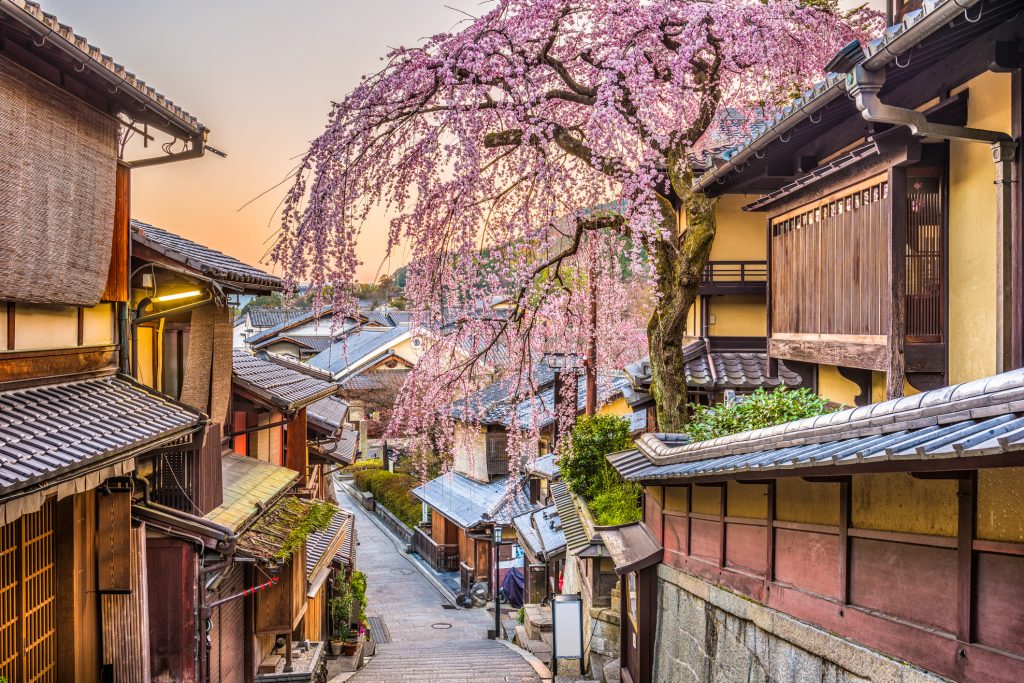
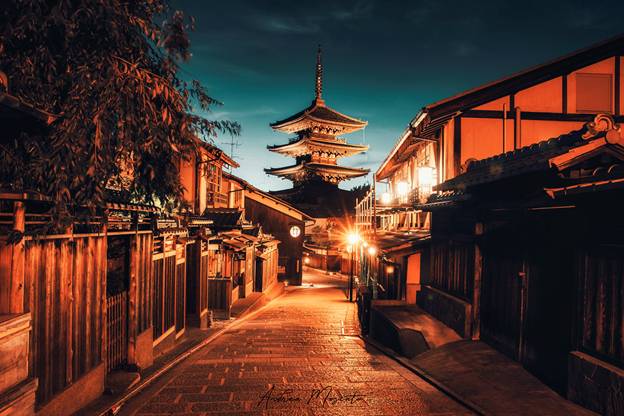
The most well-known neighbourhood in Kyoto is the traditional region known as Gion. Here, wooden houses are built adjacent to one another, and the setting is utterly wonderful. Gion is frequently referred to as the “geisha district,” and with good reason—the likelihood of encountering a geisha is rather high.
The southern section of Higashiyama, more precisely the region along the two streets Ninen-Zaka and Sannen-Zaka, which are on the approach to the Kiyomizu-dera temple, is comparable to Gion. You may also discover the renowned vista of the Hkan-ji Temple in this neighbourhood (also called Yasaka Pagoda).
Temple of Kennin
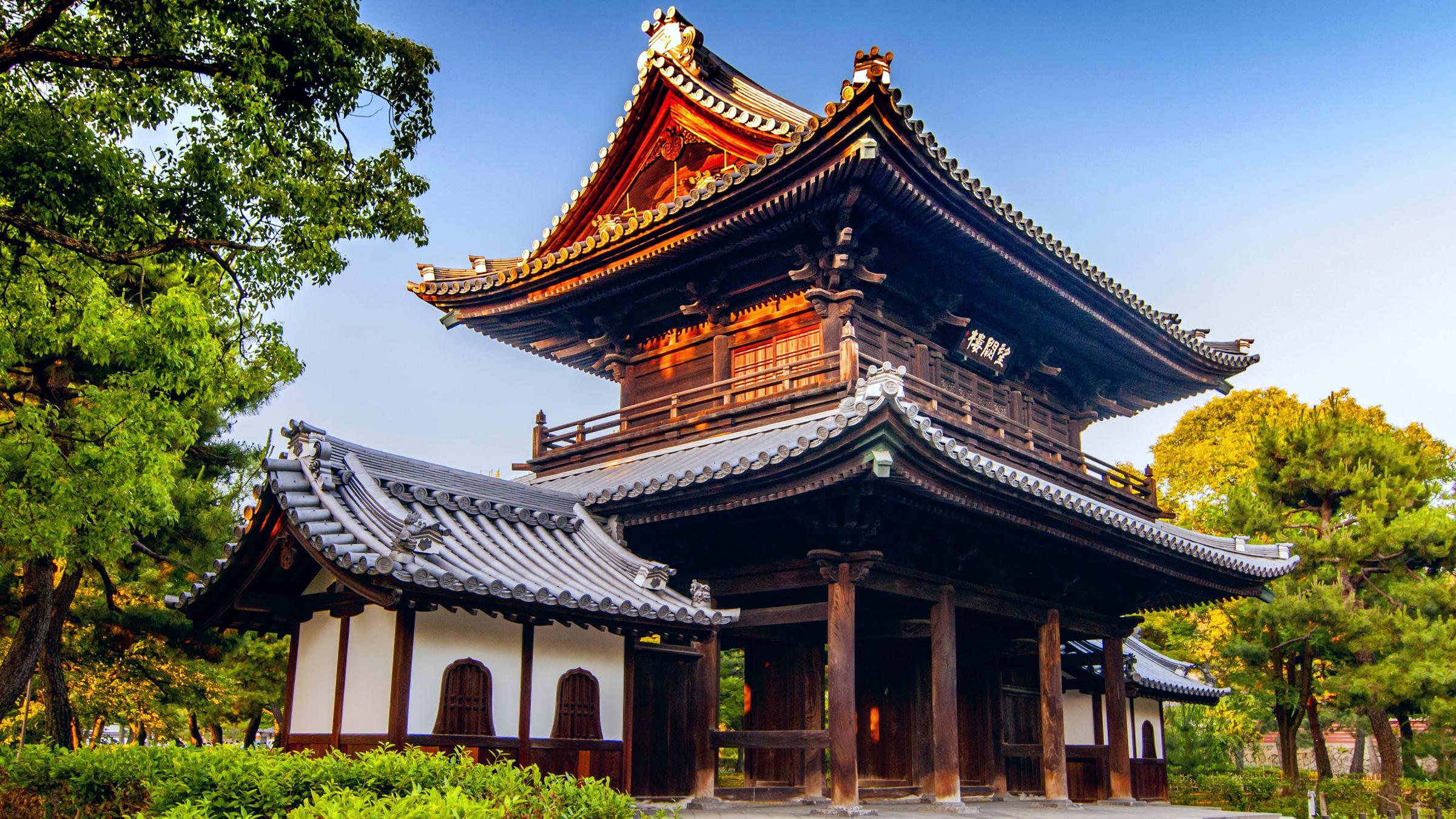
We particularly cherish the recollections of our visit to Kennin-ji among all the temples in the old district. It is located not far from the well-known Hanamikoji-dori and is actually the earliest Zen temple in Japan. Combining this shrine with a trip to Gion is worthwhile.
Even if you visit in the late afternoon (as we did), right before the temple closes, the Kennin-ji is not as crowded as the other temples. Without any crowds, we were able to appreciate the Zen ambiance in peace.
Additional Kyoto Temples & Attractions
Of course, none of that even scratches the surface! We’ll tell you about some of the other excellent attractions we saw in Kyoto in this section. While some are well recognised, others are hidden treasures.
Castle Nijo
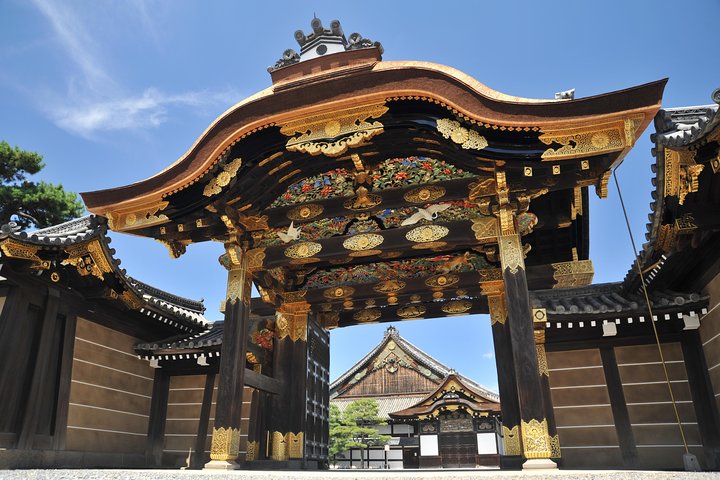
One of Kyoto’s most well-known attractions and a well-liked tourist destination is the Nijo Castle. It was constructed in the early 17th century, notably during the Edo period, to honour the Shogun.
A sizable park and moats may be found inside the expansive complex known as Nijo Castle. It’s easy to spend several hours here, so we suggest scheduling at least 1.5 hours to fully explore the area.
This stunning shrine is situated away from Higashiyama’s busy streets. We remember the steep, vast scenery and the exquisitely sculpted Zen gardens the most from our trip.
Even while the Kodai-ji bamboo forest is obviously much smaller than its more well-known twin in Arashiyama, it is nonetheless worthwhile to see. Beware: it appears that mosquitoes also enjoy this bamboo forest. place.
Pontoch Avenue
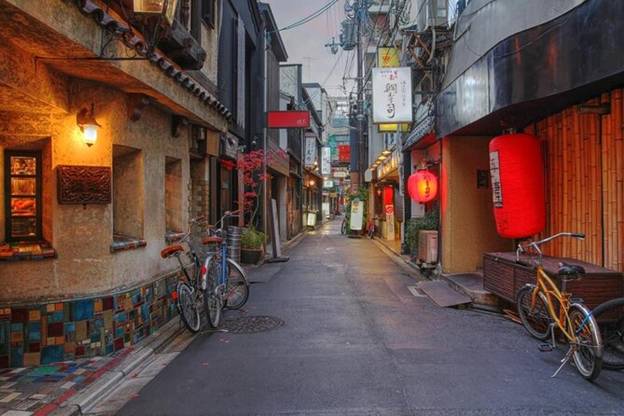
This dark, winding street has low, wooden buildings that run along to the stream. Since there are so many restaurants in this area, the evenings may get fairly crowded. The street appears a little empty during the day, but it is still rather picturesque.
Bamboo Forest of Arashiyama
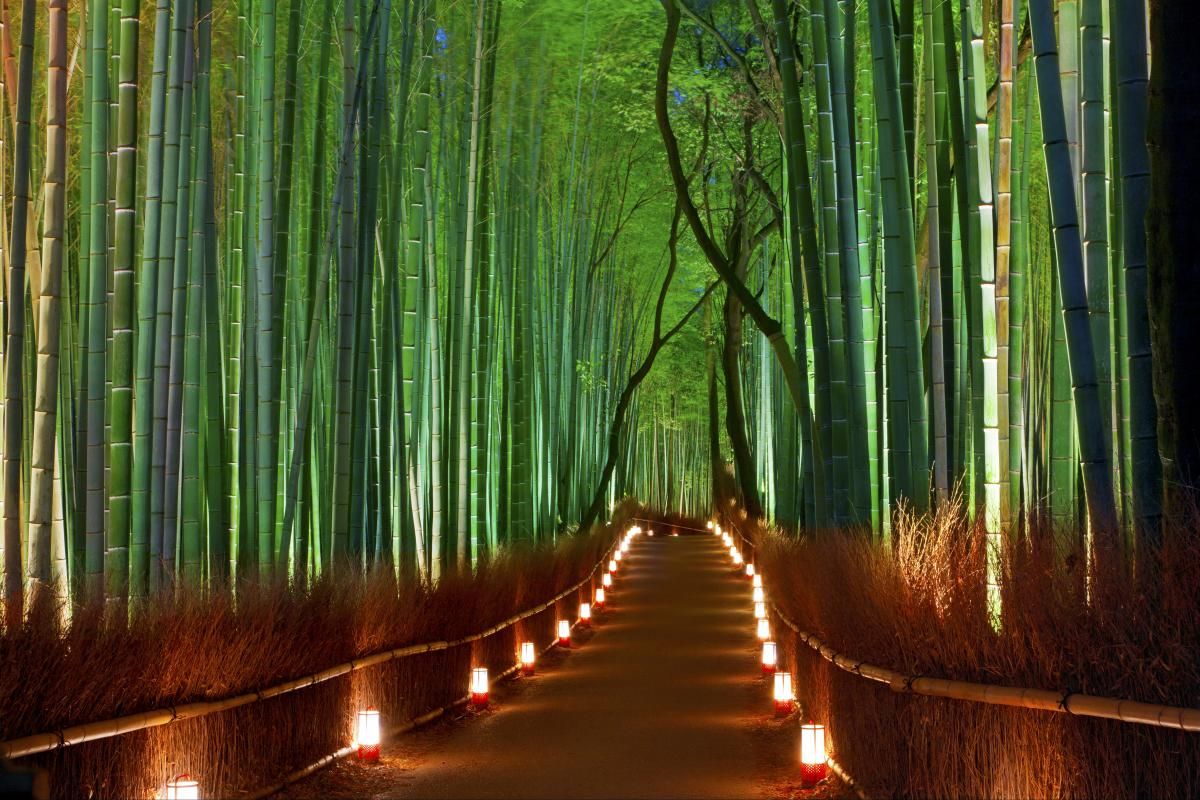
The notorious bamboo forest is located west of Kyoto, specifically in the Arashiyama neighbourhood. Almost every travel article about Kyoto includes a picture of this bamboo forest. And it’s possible that this is the most hyped attraction in all of Kyoto.
Temple Otagi Nenbutsu-ji
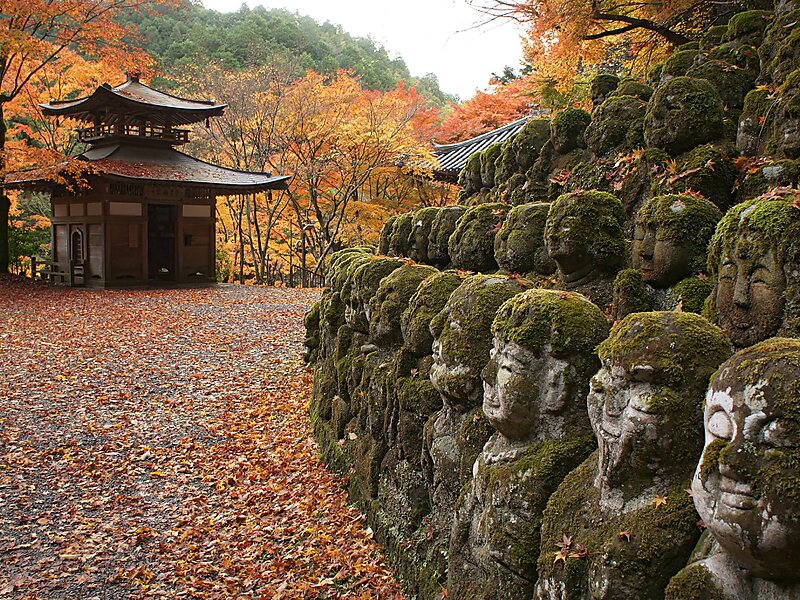
The renowned Bamboo Forest is about a half-walk hour’s from the Otagi Nenbutsu-ji, which is situated in Arashiyama’s western part. A taxi ride only needs a few minutes. We heartily recommend a visit to this temple if you discover that you have some more time to explore.
Within this space, hundreds or even thousands of worn stone statues are present. There weren’t many other guests strolling around but us. In addition to its seclusion, the Otagi Nenbutsu-ji would be regarded as an insider recommendation for its tranquilly.